








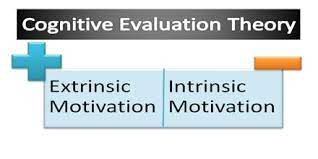
Cognitive Evaluation Theory (CET) is a psychological framework developed by Edward L. Deci and Richard M. Ryan in the 1980s, which seeks to understand the interplay between intrinsic and extrinsic motivation in shaping human behavior. CET posits that external factors, such as rewards and punishments, can have varying effects on an individual’s intrinsic motivation, influencing their engagement and performance in a given task or activity.
Understanding Cognitive Evaluation Theory:
- Intrinsic and Extrinsic Motivation:
- Intrinsic motivation refers to the internal desire and pleasure one derives from engaging in an activity for its inherent rewards, such as personal satisfaction, curiosity, or a sense of accomplishment.
- Extrinsic motivation, on the other hand, involves external factors like tangible rewards, recognition, or avoiding punishment, driving individuals to perform certain tasks.
- Basic Tenets of CET:
- According to CET, the impact of external rewards on intrinsic motivation depends on the extent to which they satisfy three psychological needs: competence, autonomy, and relatedness.
- Competence involves a sense of effectiveness and mastery in performing a task.
- Autonomy relates to the perception of having control and choice in one’s actions.
- Relatedness pertains to the feeling of connection and belonging with others.
- Effects on Intrinsic Motivation:
- CET proposes that rewards, if perceived as controlling or undermining intrinsic motivation, can lead to a decrease in the individual’s inherent interest and engagement in the task.
- Conversely, rewards that support autonomy and competence may enhance intrinsic motivation.
Human Resources Use Cases:
- Employee Recognition Programs:
- Implementing employee recognition programs involves acknowledging and rewarding outstanding performance.
- HR professionals must design these programs to enhance employees’ sense of competence and autonomy, fostering intrinsic motivation.
- Performance Appraisal Systems:
- Performance appraisals often involve extrinsic rewards, such as salary increases or bonuses.
- To align with CET, HR managers can ensure that these rewards are tied to specific accomplishments, fostering a sense of competence and autonomy.
- Training and Development Initiatives:
- CET can guide HR in designing training programs that emphasize autonomy and competence.
- Offering employees choices in their learning paths and recognizing their progress can positively impact intrinsic motivation.
- Team Building Activities:
- CET principles can be applied to team building efforts, emphasizing relatedness among team members.
- HR can design activities that promote a sense of connection and collaboration, fostering intrinsic motivation within the team.
- Flexible Work Arrangements:
- Allowing employees greater autonomy in managing their work schedules or providing remote work options aligns with CET principles.
- Such flexibility can enhance intrinsic motivation by empowering employees to take control of their work environment.
Conclusion:
Cognitive Evaluation Theory provides valuable insights into the complex relationship between intrinsic and extrinsic motivation, offering a nuanced perspective for HR professionals. By understanding and applying CET principles, organizations can create a work environment that not only motivates employees extrinsically but also cultivates a genuine, intrinsic passion for their work. This, in turn, contributes to increased job satisfaction, engagement, and overall organizational success.

Dr. Arpita Sen holds a bachelor’s degree in Dental Surgery (BDS) from YMT Dental College and Hospital, Navi Mumbai. She also holds an MBA in Human Resources from Narsee Monjee Institute of Management Studies (NMIMS), Mumbai, where she graduated as a double gold medallist. She is the co-author of Not a Rat Race: Success Mantras of World Athletes (2023), and Winning as Husband and Wife: Decoding the Success Mantras of Marriage (2026), co-written with Abhirup. She currently leads Learning, Organization Development, DEI, Culture, Talent and HR Strategy at a multinational organization. She writes on growth, leadership, and the future of work in her blogs, mindofhr.com and hustlerguru.com, and has been featured across several speaking platforms, podcasts and panel discussions. In her free time, she enjoys travelling, reading novels, singing and performing classical dance. She can be reached on Instagram at @authorarpitasen and on LinkedIn
Read her books:
Not a Rat Race: Success Mantras of World Atheletes
Winning as Husband and Wife: Decoding the Success Mantras of Marriage