




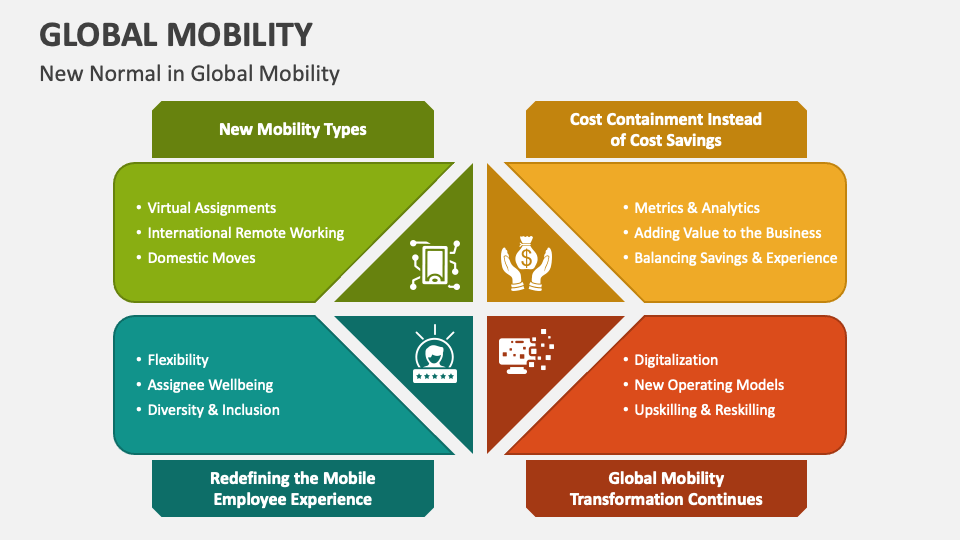
In an era where global connectivity is not just a possibility but a necessity, businesses are increasingly turning to global mobility strategies to drive growth, innovation, and cultural diversity. Two industry giants, Microsoft and Unilever, stand out as exemplars of organizations that have successfully implemented and navigated the challenges of managing a global workforce. Let’s explore how these companies have crafted and executed their global mobility strategies to achieve business excellence.
Microsoft: Fostering a Global Culture of Innovation
Microsoft, a trailblazer in the technology sector, has strategically integrated global mobility into its business model, emphasizing collaboration and cultural understanding. Here are key aspects of Microsoft’s approach:
1. Talent Hub Locations:
Microsoft has strategically established talent hub locations in major global cities. These hubs serve as magnets for top talent, enabling the company to assemble diverse teams with varied skills and perspectives. This not only facilitates collaboration but also allows Microsoft to stay attuned to local market trends.
2. Cultural Integration Initiatives:
Recognizing the importance of cultural competence, Microsoft invests significantly in cross-cultural training for its employees. Regular cultural exchange programs and workshops promote understanding, fostering a cohesive global corporate culture that values diversity and inclusivity.
3. Technology-Enabled Collaboration:
Leveraging its own technology solutions, such as Microsoft Teams and SharePoint, the company ensures seamless communication and collaboration across geographies. This tech-driven approach aligns with the company’s commitment to innovation and allows employees to work together effectively, regardless of physical location.
Unilever: Sustainable Talent Management for Market Expansion
Unilever, a global consumer goods powerhouse, has embedded global mobility into its business DNA, aligning talent management with sustainable practices and market expansion. Here are the key elements of Unilever’s successful global mobility strategy:
1. Strategic Talent Deployment:
Unilever strategically deploys talent across its international offices, ensuring a harmonious match between key skills and market demands. This agile approach empowers the company to respond swiftly to evolving market dynamics, a crucial capability in the fast-paced consumer goods industry.
2. Inclusive Work Culture:
With a strong emphasis on creating an inclusive work culture, Unilever actively promotes diversity and inclusion initiatives. This commitment fosters a positive work environment, encouraging collaboration and innovation among its globally diverse workforce.
3. Sustainable Practices:
Unilever aligns its global mobility strategy with sustainability goals, emphasizing eco-friendly practices in relocation. This commitment not only resonates with the company’s core values but also aligns with the increasing importance that employees and consumers place on corporate social responsibility.
4. Adaptive Policies:
Unilever embraces flexible policies tailored to local contexts while ensuring compliance with global standards. This adaptability enables the company to navigate complex legal and cultural landscapes, ensuring a positive and compliant employee experience.
Synthesis: Crafting Your Global Mobility Strategy
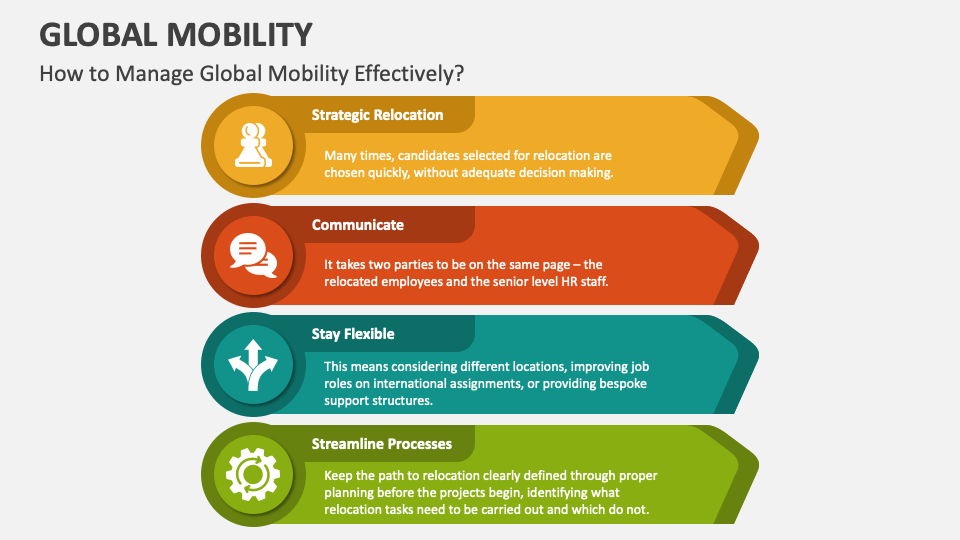
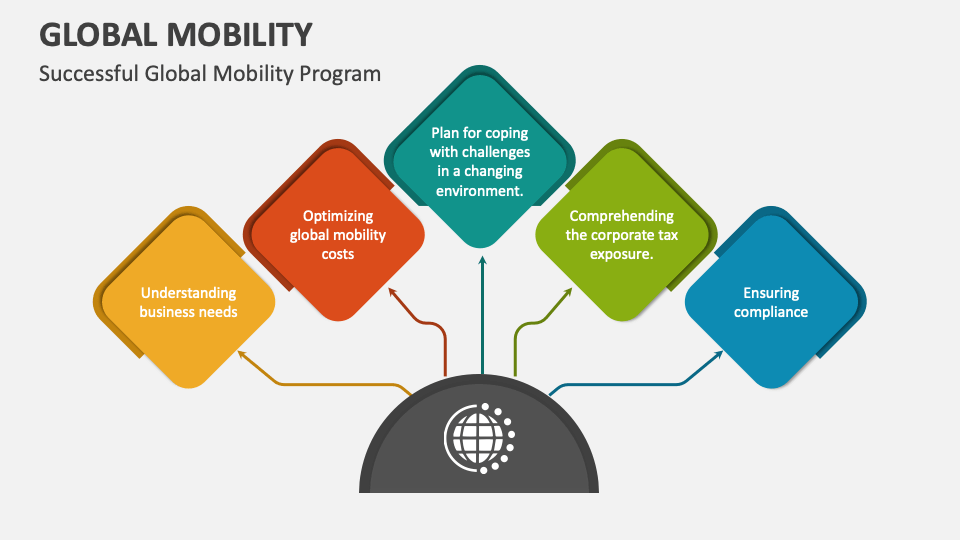
The success stories of Microsoft and Unilever underscore the importance of a holistic approach to global mobility. Crafting an effective global mobility strategy involves a careful balance between talent management, cultural integration, compliance, and sustainability. Here are some key takeaways for businesses looking to enhance their global mobility strategies:
- Prioritize Talent: Identify and attract top talent globally to fuel innovation and meet market demands.
- Invest in Culture: Foster a global corporate culture that values diversity and inclusivity through cross-cultural training and inclusive initiatives.
- Leverage Technology: Use technology to enable seamless communication and collaboration, breaking down geographical barriers.
- Align with Sustainability: Integrate sustainable practices into your global mobility strategy, considering environmental impacts and social responsibility.
- Adaptability is Key: Develop adaptive policies that balance local requirements with global standards, ensuring compliance and a positive employee experience.
In a world where borders are increasingly porous, organizations that embrace and excel in global mobility strategies are poised not just for expansion but for sustainable success. Microsoft and Unilever’s journeys provide valuable insights for companies looking to navigate the complex landscape of a globalized business environmen

Dr. Arpita Sen holds a bachelor’s degree in Dental Surgery (BDS) from YMT Dental College and Hospital, Navi Mumbai. She also holds an MBA in Human Resources from Narsee Monjee Institute of Management Studies (NMIMS), Mumbai, where she graduated as a double gold medallist. She is the co-author of Not a Rat Race: Success Mantras of World Athletes (2023), and Winning as Husband and Wife: Decoding the Success Mantras of Marriage (2026), co-written with Abhirup. She currently leads Learning, Organization Development, DEI, Culture, Talent and HR Strategy at a multinational organization. She writes on growth, leadership, and the future of work in her blogs, mindofhr.com and hustlerguru.com, and has been featured across several speaking platforms, podcasts and panel discussions. In her free time, she enjoys travelling, reading novels, singing and performing classical dance. She can be reached on Instagram at @authorarpitasen and on LinkedIn
Read her books:
Not a Rat Race: Success Mantras of World Atheletes
Winning as Husband and Wife: Decoding the Success Mantras of Marriage