



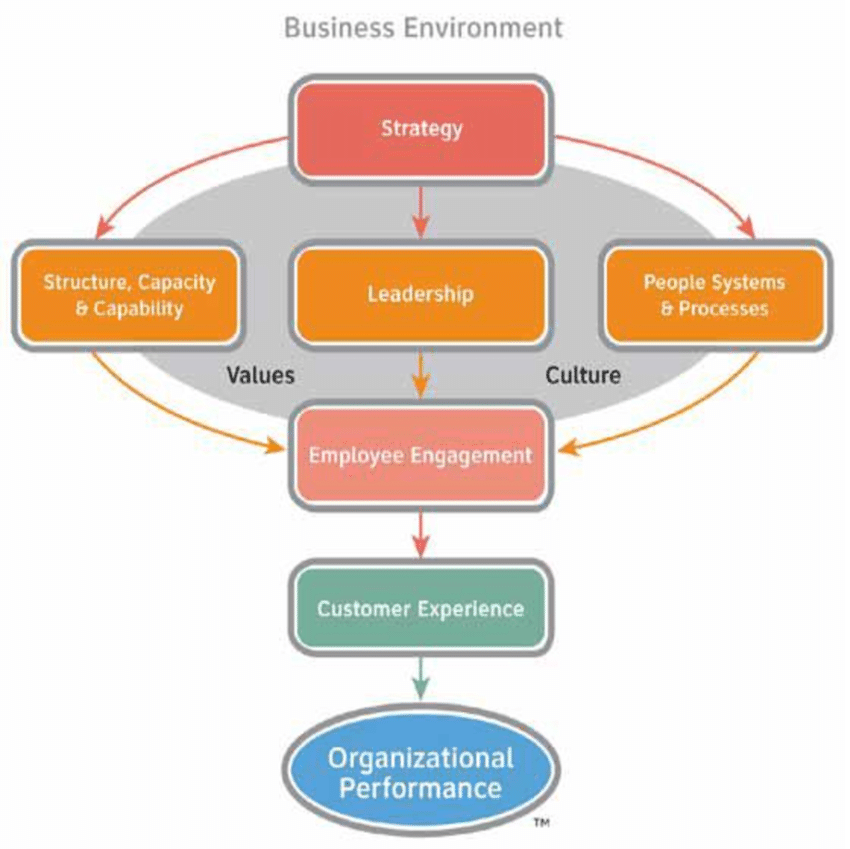
Organizational Effectiveness (OE) practitioners embedded within an organization possess a unique advantage in building trust and driving sustainable change. Unlike external consultants, in-house OE practitioners leverage their intimate knowledge of the company’s culture, relationships, and inner workings to establish credibility and foster trust throughout the organization.
Establishing Credibility through Expertise and Transparency
In-house OE practitioners can build trust by demonstrating their deep understanding of the organization’s challenges and their ability to develop tailored solutions. By leveraging their expertise and actively engaging with stakeholders, they can establish themselves as trusted advisors who are committed to the company’s success.Transparency is also key to building trust. In-house OE practitioners can foster open communication, share progress updates, and involve employees in the change process. This approach helps to alleviate concerns and ensures that everyone understands the rationale behind the initiatives.
Cultivating Relationships and Rapport
In-house OE practitioners have the advantage of being embedded within the organization, allowing them to develop strong relationships with employees at all levels. By taking the time to understand individual perspectives, concerns, and motivations, they can build rapport and earn the trust of their colleagues.Regular face-to-face interactions, active listening, and a genuine interest in the well-being of the organization and its people can all contribute to the development of trust. In-house OE practitioners can also leverage their existing networks and credibility to facilitate cross-functional collaboration, further strengthening trust within the organization.
Empowering Employees and Fostering Ownership
In-house OE practitioners can build trust by empowering employees and fostering a sense of ownership. By providing training, resources, and the necessary support, they can enable employees to take an active role in driving organizational improvements.This approach not only builds trust but also ensures that the changes implemented are sustainable. Employees who feel empowered and invested in the process are more likely to champion the initiatives and maintain the momentum for continuous improvement.
Demonstrating Commitment and Accountability
In-house OE practitioners can further build trust by demonstrating their commitment to the organization and its long-term success. By aligning their initiatives with the company’s strategic goals and consistently delivering on their promises, they can establish a track record of reliability and accountability.Additionally, in-house OE practitioners can foster trust by being transparent about their own mistakes and limitations, and by actively seeking feedback to improve their own performance. This level of self-awareness and willingness to learn can further strengthen the trust and respect they have earned within the organization.
Leveraging Institutional Knowledge and Continuity
As in-house practitioners, OE professionals can leverage their institutional knowledge and the continuity of their presence within the organization. This allows them to build upon past initiatives, learn from previous successes and failures, and ensure that organizational knowledge and best practices are retained and refined over time.
This long-term perspective and institutional memory can be invaluable in driving sustainable change and maintaining the trust of the organization’s stakeholders, even as the company navigates through periods of transition or leadership changes.
By leveraging their unique position within the organization, in-house OE practitioners can build trust through their expertise, transparency, relationships, empowerment, accountability, and institutional knowledge. This holistic approach to trust-building can be a powerful driver of organizational effectiveness and long-term success.
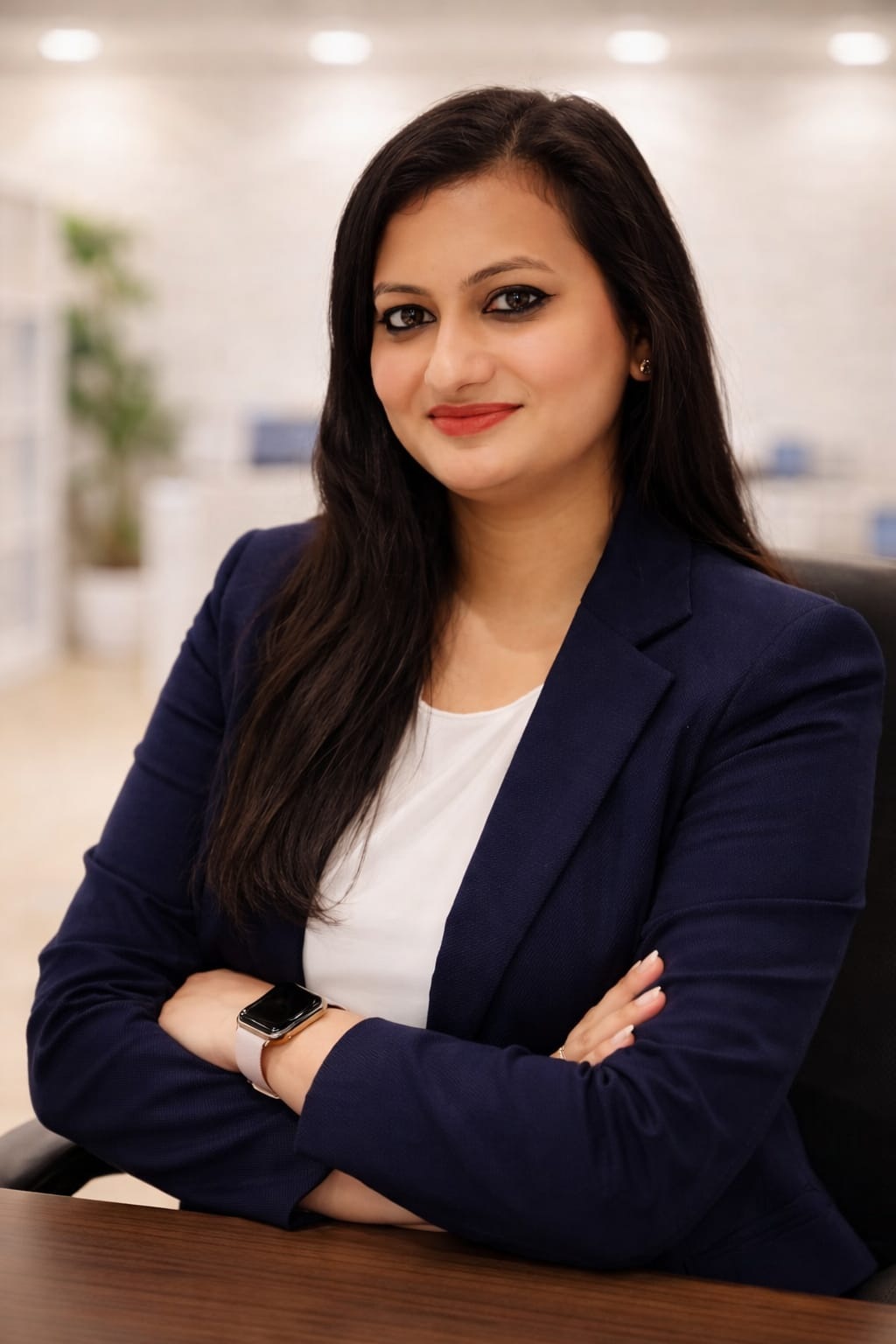
Dr. Arpita Sen holds a bachelor’s degree in Dental Surgery (BDS) from YMT Dental College and Hospital, Navi Mumbai. She also holds an MBA in Human Resources from Narsee Monjee Institute of Management Studies (NMIMS), Mumbai, where she graduated as a double gold medallist. She is the co-author of Not a Rat Race: Success Mantras of World Athletes (2023), and Winning as Husband and Wife: Decoding the Success Mantras of Marriage (2026), co-written with Abhirup. She currently leads Learning, Organization Development, DEI, Culture, Talent and HR Strategy at a multinational organization. She writes on growth, leadership, and the future of work in her blogs, mindofhr.com and hustlerguru.com, and has been featured across several speaking platforms, podcasts and panel discussions. In her free time, she enjoys travelling, reading novels, singing and performing classical dance. She can be reached on Instagram at @authorarpitasen and on LinkedIn
Read her books:
Not a Rat Race: Success Mantras of World Atheletes
Winning as Husband and Wife: Decoding the Success Mantras of Marriage