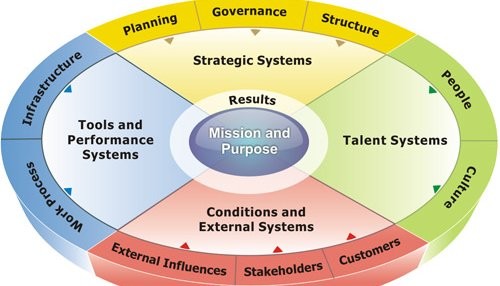
Organizational effectiveness is a critical aspect of business success, and both organizational effectiveness practitioners and management consultants play important roles in driving it. While they have distinct areas of focus, these two groups can work together to help organizations achieve their goals.
Organizational Effectiveness Practitioners
Organizational effectiveness practitioners are internal experts who deeply understand the organization’s culture, processes, and people. They are responsible for:
- Assessing the Current State: Practitioners conduct in-depth analyses to identify the organization’s strengths, weaknesses, and areas for improvement.
- Defining Objectives: They collaborate with leadership to set clear, measurable goals for organizational effectiveness.
- Designing Interventions: Practitioners develop and implement tailored solutions to address the organization’s specific needs.
- Facilitating Change: They guide the organization through change initiatives, managing resistance and ensuring successful adoption.
- Monitoring and Evaluation: Practitioners establish metrics to track progress and make adjustments as needed.
- Building Capabilities: They provide training and support to equip employees with the skills to sustain organizational effectiveness.
Management Consultants
Management consultants bring an external perspective and specialized expertise to the table. Their key contributions include:
- Providing an Objective Viewpoint: Consultants offer an unbiased assessment of the organization’s performance and opportunities for improvement.
- Leveraging Best Practices: They draw on their experience with other organizations to recommend proven strategies and solutions.
- Accessing Specialized Expertise: Consultants can provide deep insights and capabilities in areas like organizational design, change management, and leadership development.
- Facilitating Transformation: They guide the organization through complex, large-scale change initiatives, drawing on their project management and change leadership skills.
- Transferring Knowledge: Consultants work closely with the organization’s internal teams to ensure the sustainability of the implemented solutions.
The Complementary Roles
Organizational effectiveness practitioners and management consultants can work together to achieve the best outcomes for the organization:
- Collaboration: Practitioners and consultants can collaborate to leverage their respective strengths. Practitioners provide deep organizational knowledge, while consultants offer an external perspective and specialized expertise.
- Alignment: By aligning their efforts, practitioners and consultants can ensure that organizational effectiveness initiatives are tailored to the organization’s unique needs and culture.
- Knowledge Transfer: Consultants can share best practices and methodologies with practitioners, who can then apply and adapt them within the organization.
- Capacity Building: Consultants can work alongside practitioners to build their skills and capabilities, enabling the organization to sustain its own organizational effectiveness efforts.
- Continuous Improvement: The combination of practitioners’ ongoing monitoring and consultants’ periodic assessments can drive a cycle of continuous improvement, ensuring that the organization remains agile and effective.
By leveraging the complementary roles of organizational effectiveness practitioners and management consultants, organizations can achieve sustainable, high-performance outcomes that align with their strategic objectives.
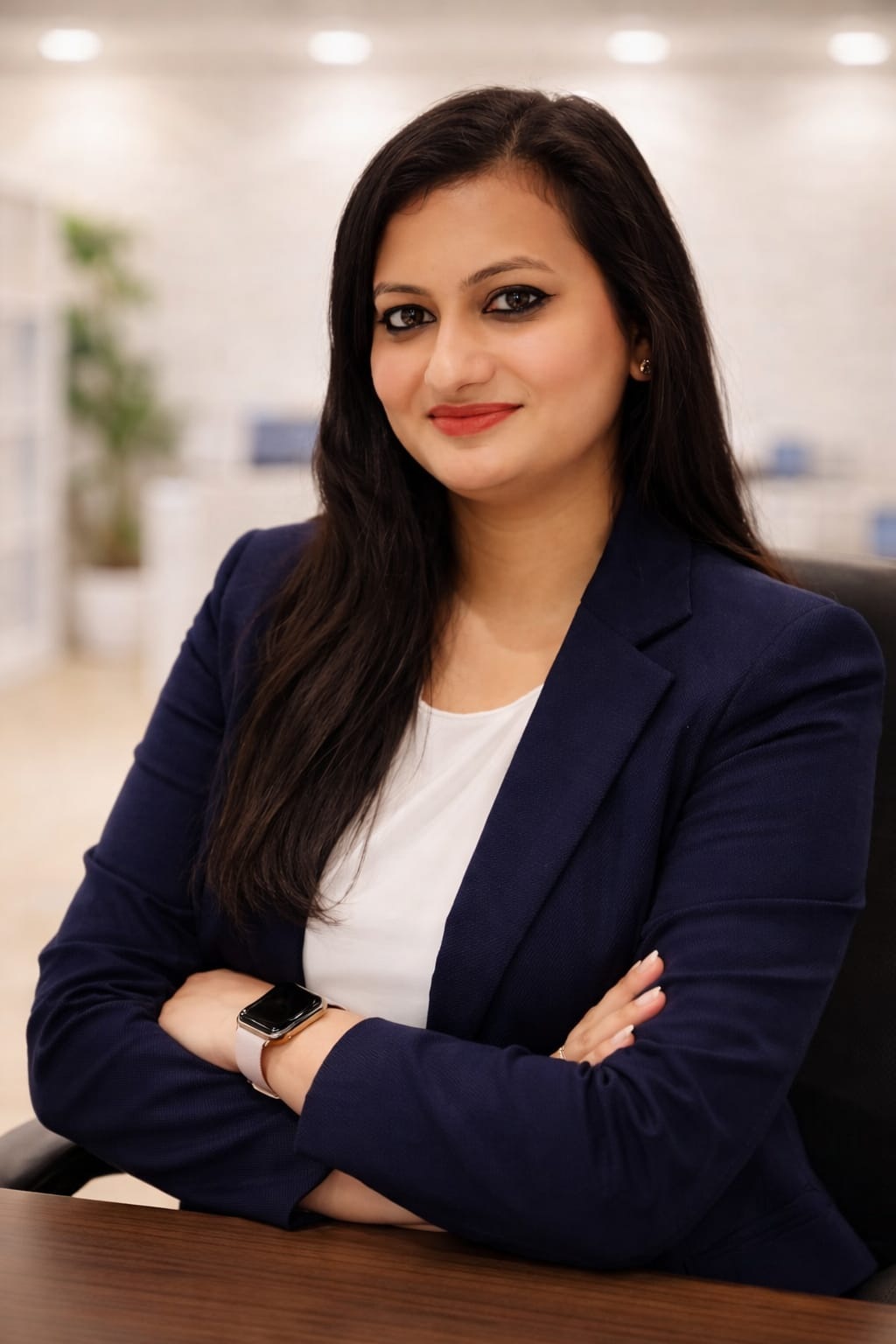
Dr. Arpita Sen holds a bachelor’s degree in Dental Surgery (BDS) from YMT Dental College and Hospital, Navi Mumbai. She also holds an MBA in Human Resources from Narsee Monjee Institute of Management Studies (NMIMS), Mumbai, where she graduated as a double gold medallist. She is the co-author of Not a Rat Race: Success Mantras of World Athletes (2023), and Winning as Husband and Wife: Decoding the Success Mantras of Marriage (2026), co-written with Abhirup. She currently leads Learning, Organization Development, DEI, Culture, Talent and HR Strategy at a multinational organization. She writes on growth, leadership, and the future of work in her blogs, mindofhr.com and hustlerguru.com, and has been featured across several speaking platforms, podcasts and panel discussions. In her free time, she enjoys travelling, reading novels, singing and performing classical dance. She can be reached on Instagram at @authorarpitasen and on LinkedIn
Read her books:
Not a Rat Race: Success Mantras of World Atheletes
Winning as Husband and Wife: Decoding the Success Mantras of Marriage